
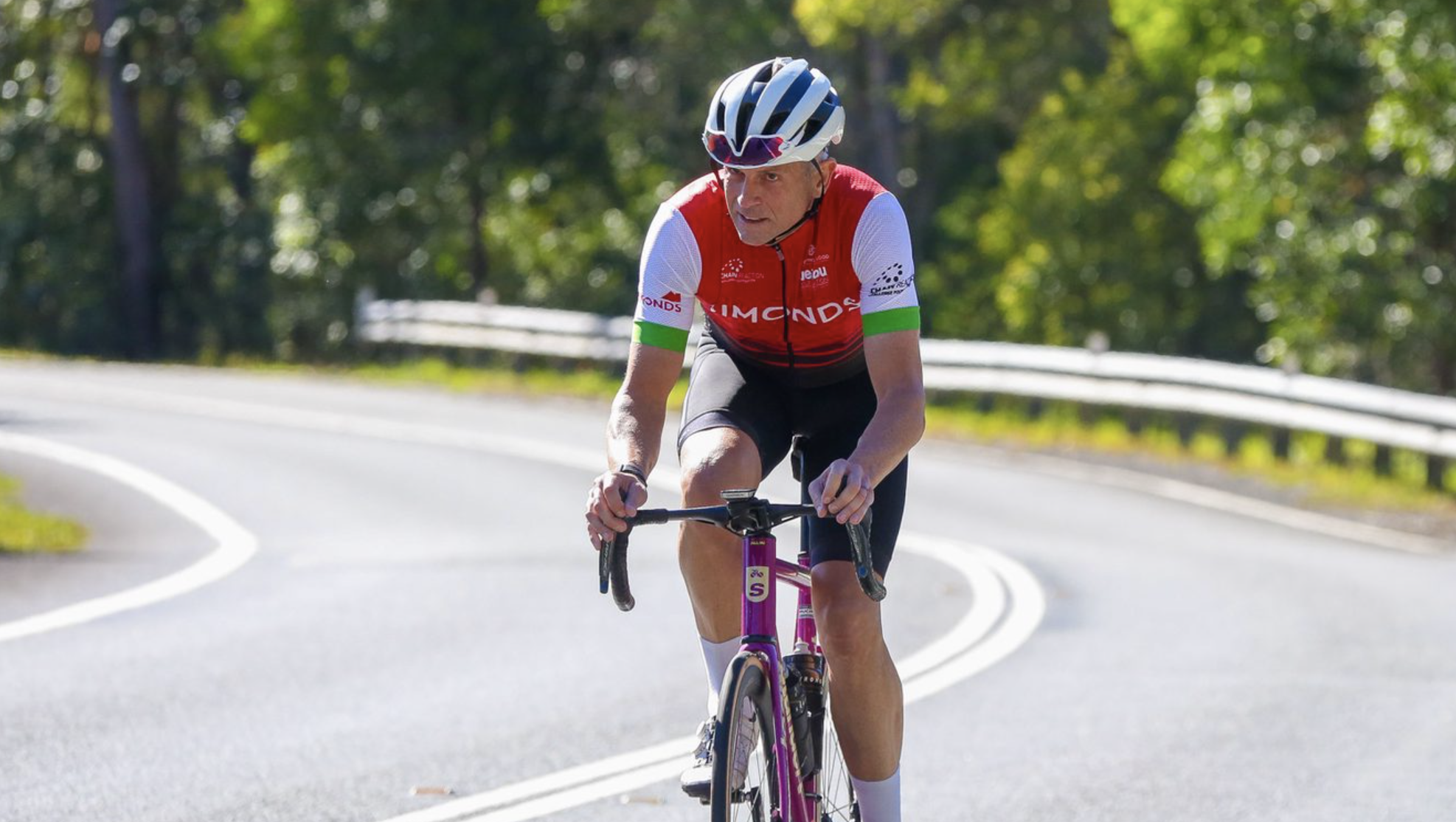
Welcome to another edition. The summer holidays are well behind now, business is in full flight and the run to Easter has begun, since the hot cross buns are already on the supermarket shelves. The team is deep in planning and the first of our challenges us around the corner.

In this edition we reflect on where all this work as a cycling charity began.

It was 2007 when the Chain Reaction Challenge Foundation boldly established a small presence in the not-for-profit sector in Victoria. A raw idea of riding a bike from Adelaide to Melbourne to raise money for seriously ill children and awareness of how a committed medical team and its support team saved the life of a baby.

A quick look at any reliable search engine will show you that 2007 was an opportune time for a cycling charity to begin because in that year in Victoria (as elsewhere I suspect) cycling was growing in popularity for transport and recreation, especially in Melbourne.

According to records ( Ed note- no time for fact checking here) there was a huge increase in cycling in June 2007 compared to the previous year. Data from the 2001 and 2006 censuses apparently show a 33% increase in Victorians cycling to work (over 25,000 people), with Melbourne seeing a 48.2% rise in commuting.

By 2007, bicycles accounted for nearly 10% of traffic in Melbourne’s CBD. More than 1,300 cyclists were recorded riding through the Swanston and Flinders streets intersection during a single morning peak hour. National data indicated cycling was very popular for adults by 2006-2007. Major events like the Great Victorian Bike Ride drew thousands of participants .In 2007, bicycle sales in Australia outnumbered new car sales for the eighth consecutive year. Bike sales totalled about 1.4million units. As importantly- that same year saw Victoria’s cycling charity sector enter a phase of rapid institutionalisation and expansion, moving from niche advocacy to large-scale health and safety organisations.

The Amy Gillett Foundation started around the same time and so did Tour de Cure- charities wanting to make a difference and starting from a grassroots base, as we did.  

So, in hindsight,  there was no better time to start a charity that raised money for seriously ill children through the medium of corporate cycling, and the last twenty years have shown the wisdom and success of that decision.

We want to pass on  our best wishes and thanks for all the support we have received  and say  safe journey to the Melbourne peloton on the next ride departing on 1 March 2026. Some old faces will reappear. New ones will smile their way (that’s a grimace by the way) over the 1000km challenge from Sydney to Melbourne via the Snowy mountains. Support your team and support the riders who, once again, are trying to reach that heady target of another $1million with funds raised to benefit long term charity partners Starlight Foundation and Monash Children’s Hospital.

I’m proud to have been part of this since 2008.

Nearly 20 years ago that thought would have perished on my first ride.

Michael Byrom,

CEO, Chain Reaction Challenge Foundation

The Simonds Diesel Train: A Team Built for the Long Haul
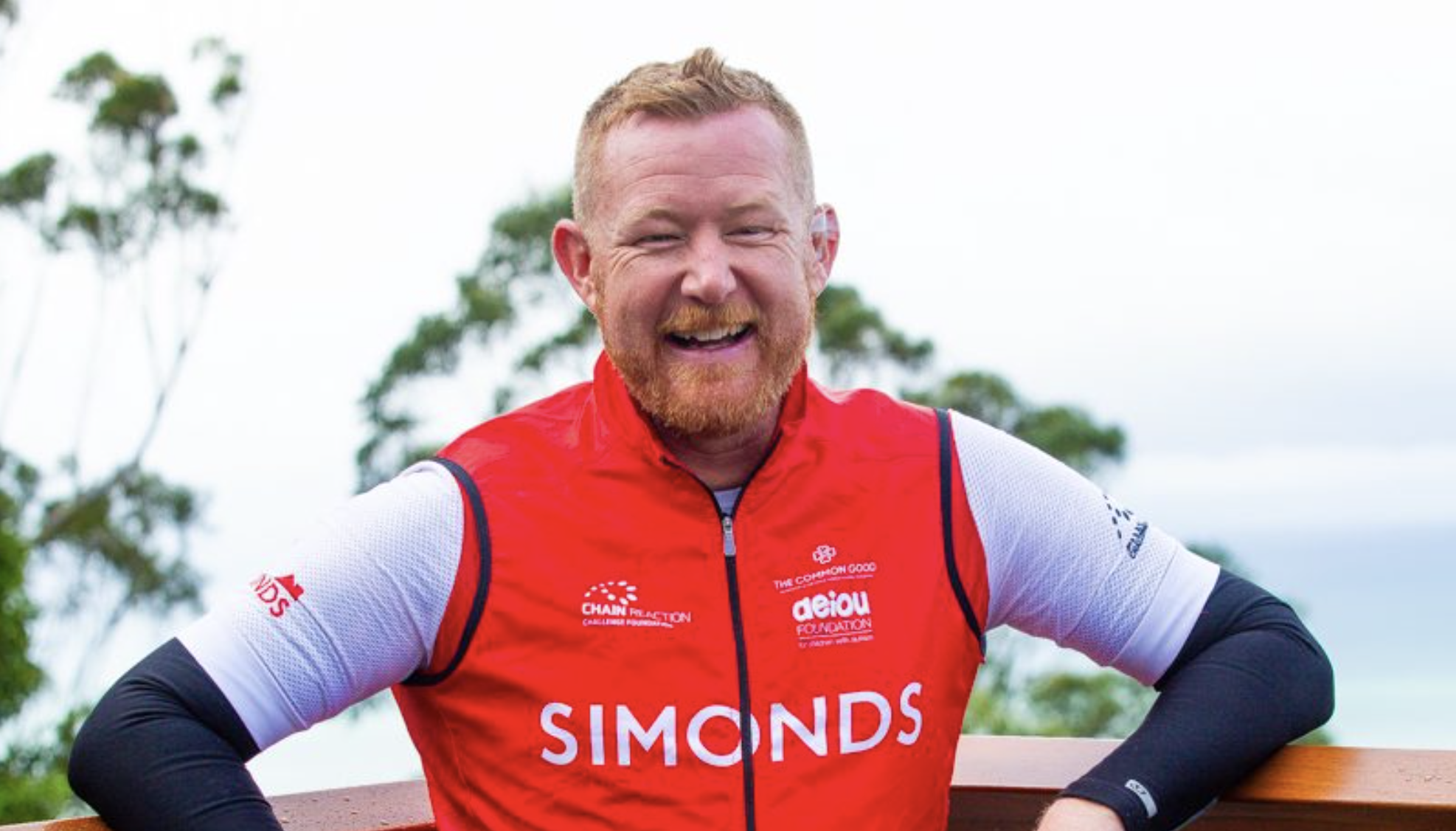
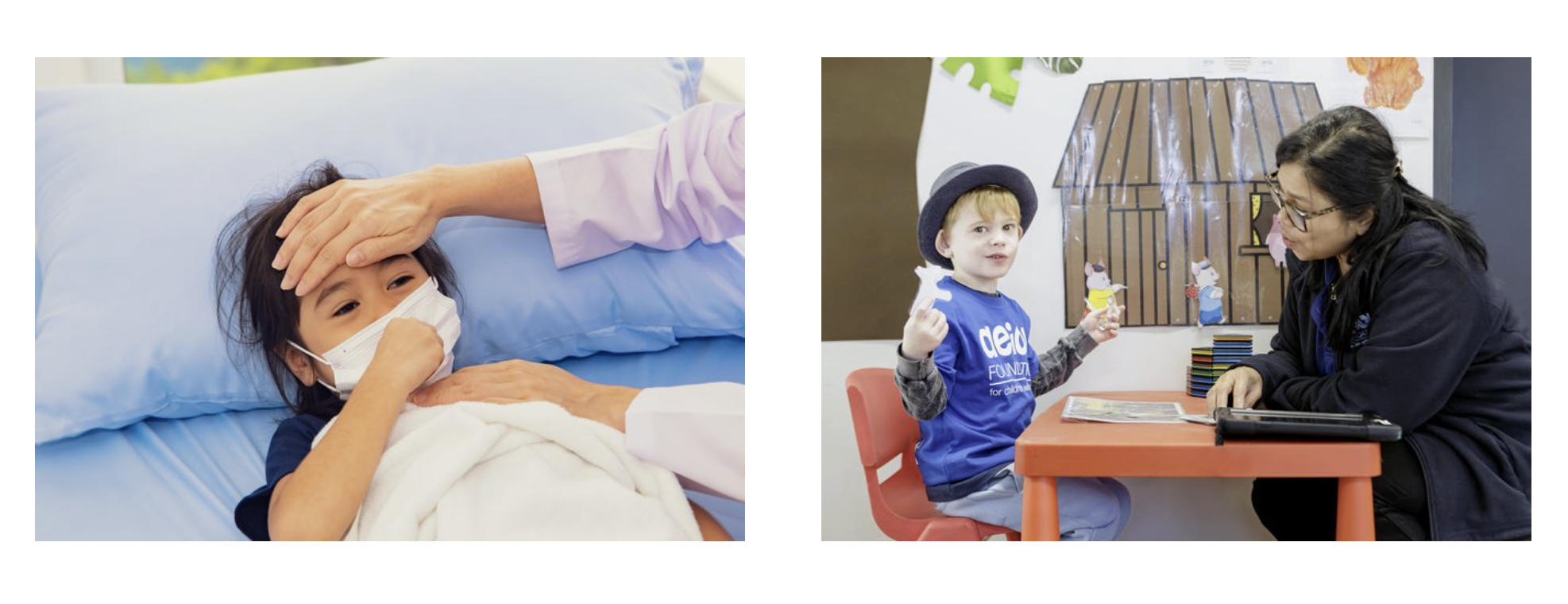
We sat down with Nathaniel Dean from Simonds Homes to learn more about the team’s Chain Reaction journey - and it didn’t take long to see why Simonds has become such a valued part of the CR community. They might be known for building exceptional homes across Australia, but on event week, they’re busy building something just as powerful: connection, resilience, and unforgettable memories.
It All Started: Nathaniel explains that it all began with a few new Simonds staff who had ridden Chain Reaction in previous years.
“They spoke about how incredible it would be to have a dedicated Simonds Team,” he says. “At first, the idea of riding 1,000 km in a week seemed… well, slightly crazy. But once we saw the professionalism and organisation Chain Reaction brings, all the nerves faded. You genuinely want to be part of it.”
It’s a natural fit for Simonds, a national builder with more than 75 years of history, known for its commitment to craftsmanship, community, and people. Supporting children’s charities through Chain Reaction reflects those same values - building strong foundations that last.

A National Effort: Because Simonds operates across multiple states, interest grew fast.


“We ended up with a Melbourne team and a Brisbane team,” Nathaniel says. “That’s the benefit of being a national builder - good ideas travel.”

Moments That Stay With You: While the ride offers no shortage of views, climbs, and character-testing moments, Nathaniel’s standout memories all involve people.

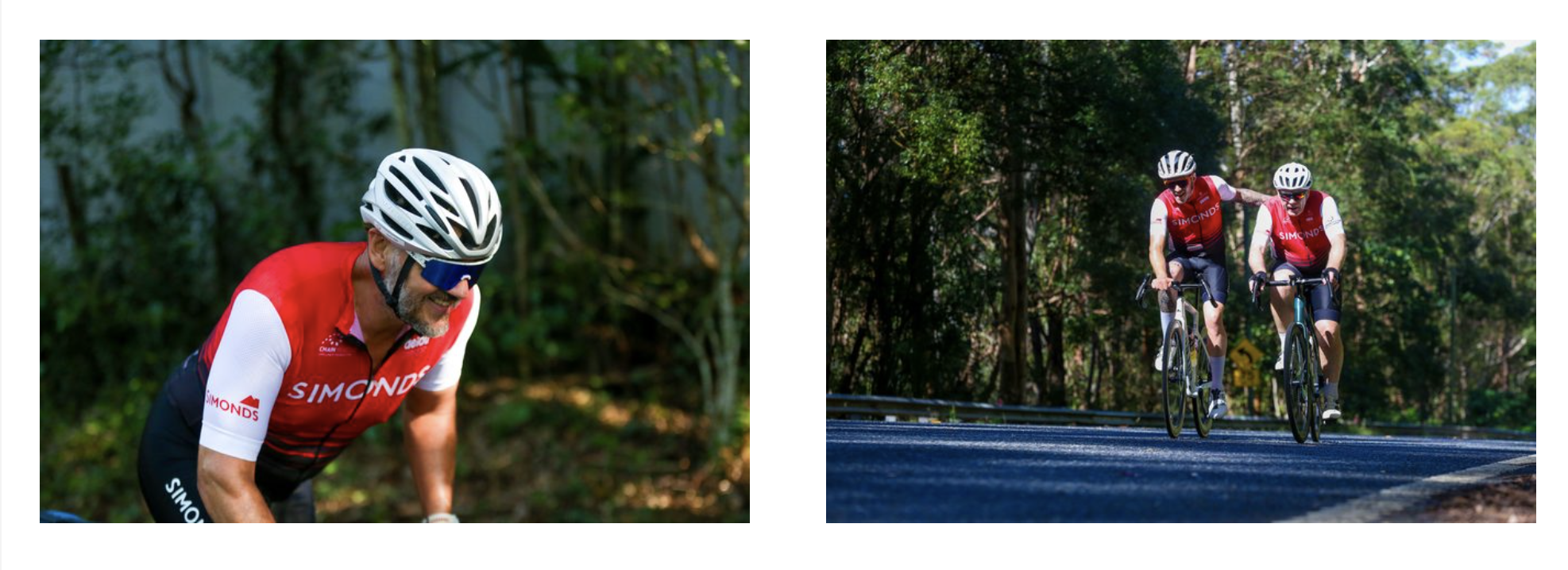
“The real highlight is how willing riders are to drop back and help someone struggling,” he shares. “The camaraderie is incredible. Completing the challenge is one of the most rewarding things you can do - and sharing every kilometre with the group is something you can’t truly explain until you’ve done it.”

Leading From Within: When asked who’s most involved in driving Simonds’ participation, Nathaniel humbly puts his own hand up.

“I’ve really tried to encourage people to take part. The whole journey - the nerves, the training, the connections, the cause - it’s life-changing. And knowing the funds go directly to organisations doing incredible work for kids makes it even more special.” It’s leadership through enthusiasm - exactly the kind that reflects Simonds’ wider culture.
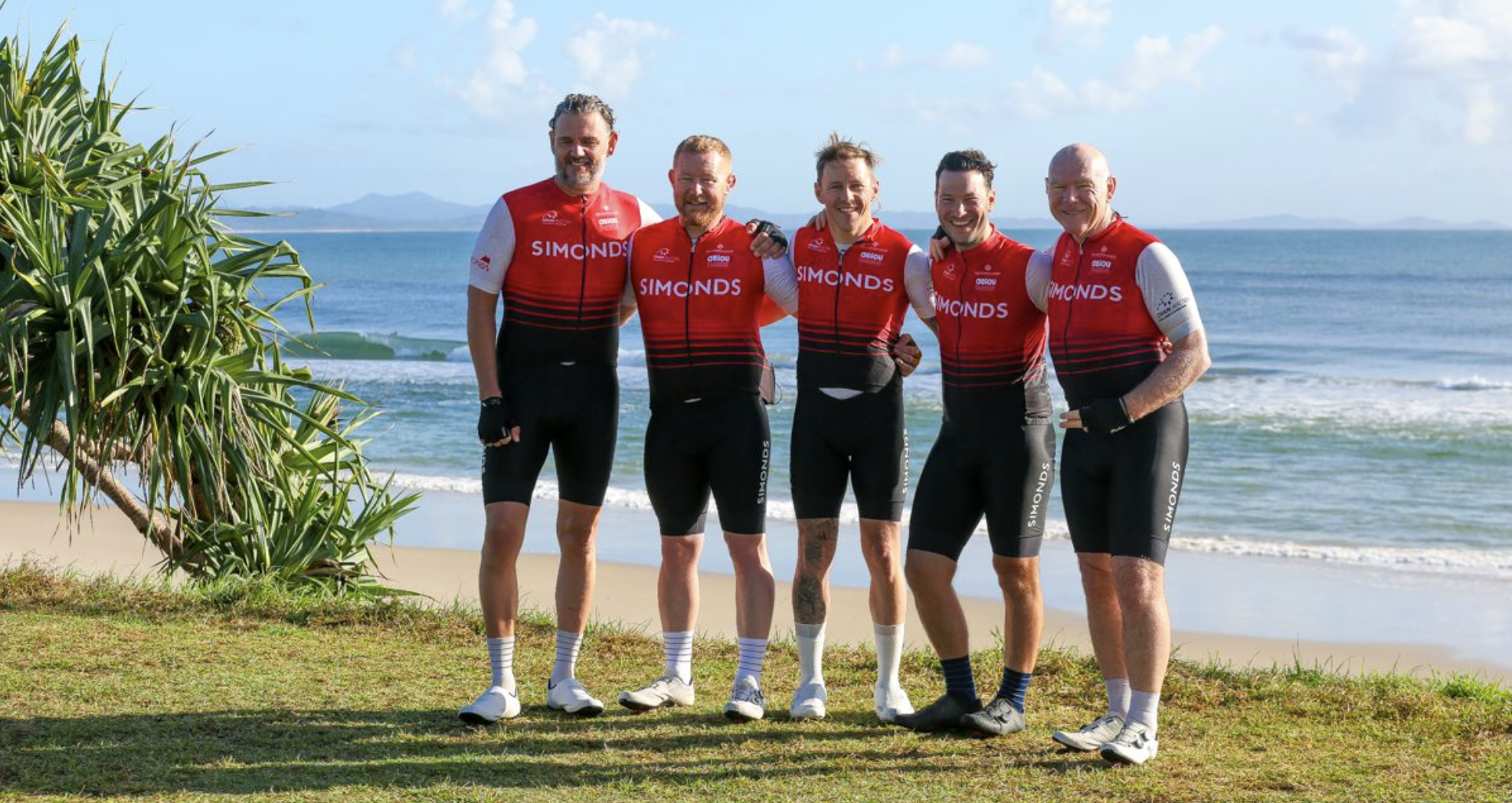
Team Energy: Red, Ready & Rolling

Simonds doesn’t take itself too seriously on the bike - and honestly, we love that.

Their official team nickname? The Diesel Train. “We’re not fast,” Nathaniel laughs, “but we get there.”

Their in-house entertainer is Glen Earl, known to burst into I’m Still Standing mid-ride, uplifting spirits (and occasionally testing vocal ranges).

Best Dressed in Lycra goes to Stephen Pavic, who “dominates the photos” in Simonds Red and does the brand proud every single time.

And their team’s secret weapon during event week?
“Having enough cash to buy the coaches for team events,” Nathaniel jokes. We respect the strategy.

Simonds Homes might build thousands of homes a year, but it’s the way they show up - as teammates, as leaders, and as supporters of children in need - that truly sets them apart. With Nathaniel and the team steering the Diesel Train forward, they’re proving that strong foundations aren’t just built on site… they’re built on heart.

Final Inspections – Bike & Gear Check


Before the 1000 km Challenge, take a moment to double-check the things that matter most when fatigue sets in.

 Rider gear

  • Cleats clicking in and out smoothly (no float issues or surprise releases)

  • Helmet in date, no cracks, no dents, no impacts

  • Shoes, socks, kit and gloves ready and familiar

 Bike & spares

  • Bike-specific spares packed (tubes, sealant, valve extenders, hanger, batteries)

  • Charger cables and tools accounted for

  • No unusual noises, creaks or rubbing

 Bike condition

  • Full service completed

  • New tyres fitted

  • New brake pads installed

  • Fresh bar tape wrapped

  • Drivetrain checked and well under wear limits

You want your bike working just as well at km 999 as it did at km 1.

Confidence comes from preparation.
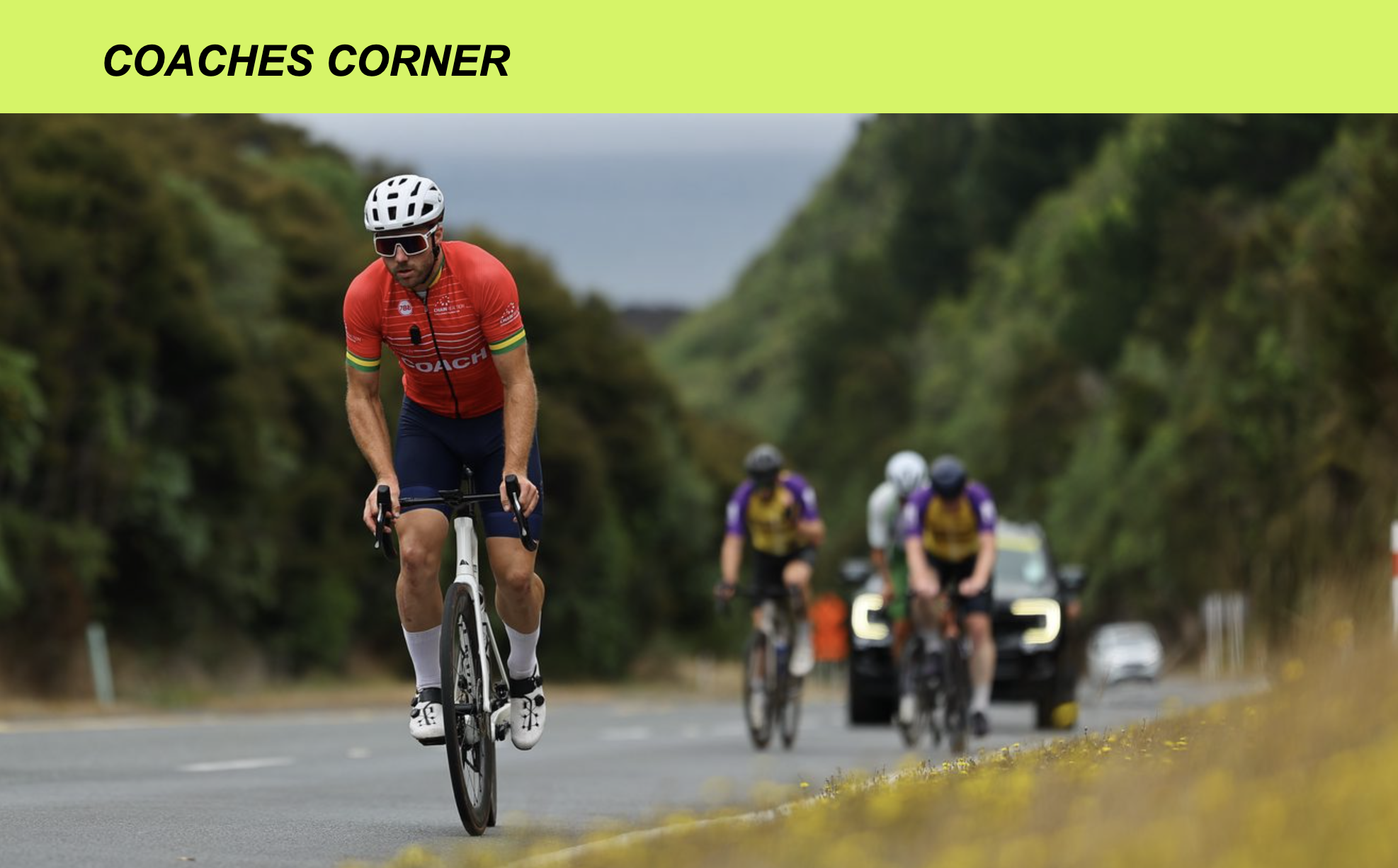
With the 1000km challenges fast approaching us, your time should be spent as productively as possible to ensure you can be feeling the best you can be during these final weeks and months of training.

What does that mean you might ask? Well, other than riding more consistently with only 1-2 rest days per week, around 3-5 weeks out from your 1000km challenge, I would aim to complete a larger block of training across multiple days in a row.

Whilst the intensity can vary across each ride, what you’re aiming to achieve is conditioning the body to repeat back-to-back rides across multiple days. Set some distance goals or mini-challenges for yourself to really prepare for the 7-days of riding ahead of you. Challenges can be as simple as riding over 400km+ in one week or climbing more than 4000m elevation in one week.

If you already have the hours and kilometres in your legs from a big December and January, then start focusing on quality training that reduces the number of longer and slower rides and instead focus on quality intervals by maintaining higher average speeds and power for longer periods within your ride. A simple goal could be to improve your average speed on an undulating ride from 24km/hr to 26km/hr average.

Remember to address any concerns or challenges you have with your coach about bunch riding and etiquette, or skills and techniques you haven’t mastered yet. This will help you to reach the start line with full confidence and a positive mindset.